
In modern financial reporting, accuracy, transparency, and traceability are critical components for maintaining regulatory compliance and investor confidence. One of the key elements that supports these objectives is CUSIP securities report accounting, a specialized accounting and reporting process that uses unique CUSIP identifiers to track and manage securities transactions, holdings, and financial disclosures. Financial institutions, auditors, investors, and compliance professionals rely heavily on structured security identification systems to ensure that every financial instrument is properly recorded and reported. This is where CUSIP securities report accounting plays a vital role in the financial ecosystem.
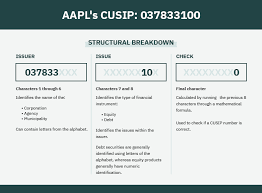
CUSIP, which stands for Committee on Uniform Securities Identification Procedures, assigns a unique nine-character alphanumeric identifier to financial instruments such as stocks, bonds, mutual funds, and other securities. These identifiers function like serial numbers for financial instruments, allowing institutions to track securities across trading, settlement, accounting, and reporting systems. When integrated into accounting and financial reporting frameworks, CUSIP securities report accounting ensures that every security can be accurately identified, valued, and disclosed in financial statements and regulatory filings.
Financial reporting requires precise documentation of assets, liabilities, investments, and securities holdings. Without a standardized identification system, companies and financial institutions could face significant challenges in reconciling investment portfolios, preparing balance sheets, and ensuring compliance with financial regulations. CUSIP securities report accounting helps eliminate confusion caused by similar security names, multiple issuers, or complex financial instruments by providing a standardized reference point for each security. This improves accuracy in financial statements and reduces the risk of reporting errors.
Another important reason CUSIP securities report accounting matters in financial reporting is regulatory compliance. Financial institutions are required to report their holdings and transactions to regulatory bodies, auditors, and investors. Using CUSIP-based reporting ensures that securities are correctly identified in filings, which helps regulators track market activity, monitor risk exposure, and maintain transparency in financial markets. Accurate reporting using CUSIP identifiers also supports compliance with accounting standards such as GAAP and IFRS, which require clear disclosure of financial assets and investment securities.
In addition to regulatory compliance, CUSIP securities report accounting improves operational efficiency in financial institutions. Accounting teams often handle large volumes of securities transactions, including purchases, sales, interest payments, and maturities. By using CUSIP identifiers in accounting systems, institutions can automate reconciliation processes, reduce manual data entry errors, and streamline financial reporting workflows. This not only saves time but also enhances the reliability of financial data used in reports and audits.
Risk management is another area where CUSIP securities report accounting plays a significant role. Financial institutions need to monitor their exposure to specific securities, issuers, industries, and markets. Accurate identification of securities through CUSIP numbers allows institutions to track portfolio performance, assess risk exposure, and generate detailed financial reports for management and stakeholders. This level of reporting accuracy is essential for making informed investment and financial decisions.
Furthermore, auditors and forensic accountants often rely on CUSIP securities report accounting when reviewing financial records, investment portfolios, and securitized assets. Because each CUSIP number uniquely identifies a security, auditors can trace transactions, verify ownership, and confirm valuations more efficiently. This makes audits more accurate and helps detect discrepancies or irregularities in financial reporting.
In today’s complex financial environment, where organizations manage diverse portfolios and regulatory requirements continue to evolve, CUSIP securities report accounting has become an essential component of accurate financial reporting. It enhances transparency, improves compliance, supports auditing processes, and ensures that financial statements accurately reflect an organization’s securities holdings. As financial markets continue to grow and become more sophisticated, the importance of CUSIP securities report accounting in financial reporting will continue to increase, making it a critical tool for financial institutions, accounting professionals, and regulatory authorities alike.
The Role of CUSIP Securities Report Accounting in Financial Transparency
Financial transparency is one of the most important aspects of modern financial reporting, and CUSIP securities report accounting plays a significant role in achieving this transparency. Financial institutions, investment firms, and accounting professionals must maintain clear and accurate records of securities transactions, holdings, and valuations. Without a standardized identification system, tracking thousands of securities across multiple portfolios would be extremely difficult and prone to errors. This is why CUSIP identifiers are integrated into accounting systems and financial reports.
CUSIP securities report accounting ensures that every financial instrument is uniquely identified, which eliminates confusion between similar securities issued by different companies or institutions. This unique identification allows accountants and financial professionals to accurately record purchases, sales, interest income, dividends, and maturities associated with each security. When financial statements are prepared, the use of CUSIP identifiers ensures that the reported securities holdings are accurate and verifiable.
Transparency is especially important for investors, auditors, and regulatory agencies. Investors rely on financial statements to make informed decisions, and regulators require accurate reporting to monitor financial markets and prevent fraud or misreporting. By using CUSIP securities report accounting, organizations can provide detailed and transparent reports that clearly identify each security included in their financial statements. This improves trust and credibility in financial reporting.
How CUSIP Securities Report Accounting Improves Portfolio Tracking
Portfolio tracking is a critical function for banks, hedge funds, asset managers, and other financial institutions. These organizations manage large portfolios containing various types of securities such as bonds, stocks, mortgage-backed securities, and derivatives. Managing these portfolios requires accurate tracking systems, and CUSIP securities report accounting provides the structure needed to track securities efficiently.
Each security in a portfolio is assigned a CUSIP number, which is then used in accounting records, reporting systems, and portfolio management software. This allows financial professionals to track the performance, value, and risk exposure of each security individually. CUSIP securities report accounting helps ensure that portfolio valuations are accurate and up to date, which is essential for financial reporting and investment decision-making.
Portfolio reconciliation is another area where CUSIP securities report accounting is extremely useful. Financial institutions must regularly reconcile their internal records with custodian statements, broker reports, and clearinghouse records. Using CUSIP numbers makes reconciliation faster and more accurate because each security can be matched precisely across multiple systems. This reduces discrepancies and improves the overall reliability of financial records.
Regulatory Compliance and CUSIP Securities Report Accounting
Regulatory compliance is one of the main reasons why CUSIP securities report accounting is so important in financial reporting. Financial institutions are required to submit detailed reports to regulatory authorities, including information about securities holdings, transactions, and risk exposure. These reports must be accurate, standardized, and verifiable.
CUSIP identifiers provide a standardized method for identifying securities in regulatory filings. When financial institutions prepare regulatory reports, they use CUSIP securities report accounting to ensure that each security is correctly identified and reported. This helps regulators monitor market activity, track securities ownership, and identify potential risks in the financial system.
Failure to accurately report securities can result in penalties, compliance violations, and audit issues. By implementing CUSIP securities report accounting, organizations can reduce the risk of reporting errors and ensure that their financial reports meet regulatory requirements. This makes CUSIP-based accounting an essential component of compliance and financial governance.
The Importance of CUSIP Securities Report Accounting in Auditing
Auditing is another area where CUSIP securities report accounting plays a crucial role. Auditors are responsible for verifying the accuracy of financial statements, including securities holdings and investment valuations. Without a reliable identification system, auditing securities transactions would be extremely complex and time-consuming.
With CUSIP securities report accounting, auditors can quickly identify securities, verify transactions, and confirm valuations. Each CUSIP number corresponds to a specific security, making it easier for auditors to trace transactions from purchase to sale or maturity. This improves audit efficiency and reduces the risk of errors in financial statements.
Forensic audits and securitization audits also rely heavily on CUSIP identifiers. Investigators and auditors use CUSIP numbers to track securities through complex financial transactions, including mortgage-backed securities and structured financial products. CUSIP securities report accounting helps auditors and investigators identify discrepancies, trace asset ownership, and verify financial records.
Operational Efficiency and Automation in Financial Reporting
Modern financial institutions rely heavily on automation and financial software systems to manage accounting and reporting processes. CUSIP securities report accounting supports automation by providing a standardized identifier that can be used across multiple systems, including accounting software, portfolio management systems, and reporting platforms.
Automation reduces manual data entry, minimizes errors, and improves reporting efficiency. When securities are recorded using CUSIP numbers, accounting systems can automatically pull pricing data, calculate valuations, generate reports, and reconcile transactions. This significantly reduces the workload for accounting teams and improves the accuracy of financial reports.
Operational efficiency is particularly important for institutions that handle large volumes of securities transactions. Without CUSIP securities report accounting, managing and reporting these transactions would require significant manual effort and would increase the risk of accounting errors. By using CUSIP-based accounting systems, organizations can streamline their operations and improve financial reporting accuracy.
Risk Management and Financial Analysis Using CUSIP Securities Report Accounting
Risk management is a major concern for financial institutions, and CUSIP securities report accounting helps organizations monitor and manage their investment risks. By tracking securities using CUSIP numbers, institutions can analyze their exposure to specific issuers, industries, or asset classes.
Financial analysts use data from CUSIP securities report accounting to evaluate portfolio performance, calculate risk exposure, and prepare financial analysis reports. Accurate security identification allows analysts to generate detailed reports that show investment performance, interest income, capital gains, and market value changes.
Risk management reports often include detailed information about securities holdings, including maturity dates, interest rates, credit ratings, and market values. CUSIP securities report accounting ensures that all this information is accurately linked to the correct securities, which improves the reliability of financial analysis and risk management reports.
The Growing Importance of CUSIP Securities Report Accounting in Modern Finance
As financial markets become more complex and globalized, the importance of CUSIP securities report accounting continues to grow. Financial institutions are dealing with increasingly complex financial instruments, including securitized assets, structured products, and international securities. Accurate identification and reporting of these securities are essential for financial reporting, compliance, auditing, and risk management.
Technology and automation have also increased the importance of standardized identification systems like CUSIP. Financial reporting systems, trading platforms, and accounting software all rely on standardized identifiers to process transactions and generate reports. CUSIP securities report accounting ensures that these systems can communicate effectively and maintain accurate financial records.
In the future, financial reporting will continue to rely on standardized security identification systems to ensure transparency, accuracy, and compliance. Organizations that implement strong CUSIP securities report accounting practices will be better positioned to manage their securities portfolios, comply with regulations, and produce accurate financial reports. As a result, CUSIP-based accounting will remain a critical component of financial reporting and securities accounting for years to come.
Conclusion
In today’s complex financial environment, cusip securities report accounting has become an essential component of accurate financial reporting, compliance, and investment tracking. Financial institutions, accounting professionals, auditors, and regulatory bodies all rely on standardized security identification to ensure that securities are properly recorded, reported, and verified. By using CUSIP identifiers in accounting and reporting systems, organizations can improve accuracy, reduce reporting errors, and maintain transparency in financial statements.
One of the most important benefits of cusip securities report accounting is its ability to streamline portfolio tracking, reconciliation, and financial reporting processes. It allows organizations to identify each security uniquely, which improves reporting accuracy and helps prevent discrepancies in financial records. This is particularly important for institutions managing large investment portfolios or complex securities such as bonds, mortgage-backed securities, and structured financial instruments.
Additionally, cusip securities report accounting plays a major role in regulatory compliance and auditing. Accurate CUSIP-based reporting helps organizations meet financial reporting standards and regulatory requirements while also making audits more efficient and reliable. As financial markets continue to evolve and securities transactions become more complex, the importance of cusip securities report accounting will continue to grow, making it a critical tool for modern financial reporting and securities accounting.
Build Stronger Financial Cases with Expert Securitization and Forensic Audits
For over four years, we have been helping our associates build strong, well-documented cases through professional securitization and forensic audit services. Our work is focused on providing accurate research, detailed analysis, and reliable documentation that supports business professionals, legal teams, and financial specialists in complex case preparation and financial investigations.
As an exclusively business-to-business provider, we understand the importance of precision, confidentiality, and professional reporting. Our securitization and forensic audit services are designed to help organizations uncover critical financial data, analyze loan securitization structures, and produce clear reports that can be used for case support, financial review, and professional analysis.
We are committed to delivering detailed, organized, and dependable reports that help our associates strengthen their cases and make informed decisions. Our experience and dedication allow us to provide services that support your business with the information and documentation needed for complex financial and securitization matters.
If your organization needs reliable securitization research and forensic audit support, we are here to help you build stronger, more effective cases with professional reporting and accurate financial analysis.
Mortgage Audits Online
100 Rialto Place, Suite 700
Melbourne, FL 32901
Phone: 877-399-2995
Fax: 877-398-5288
Visit: https://cusipdata.com/
“Disclaimer Note: This article is for educational & entertainment purposes”