
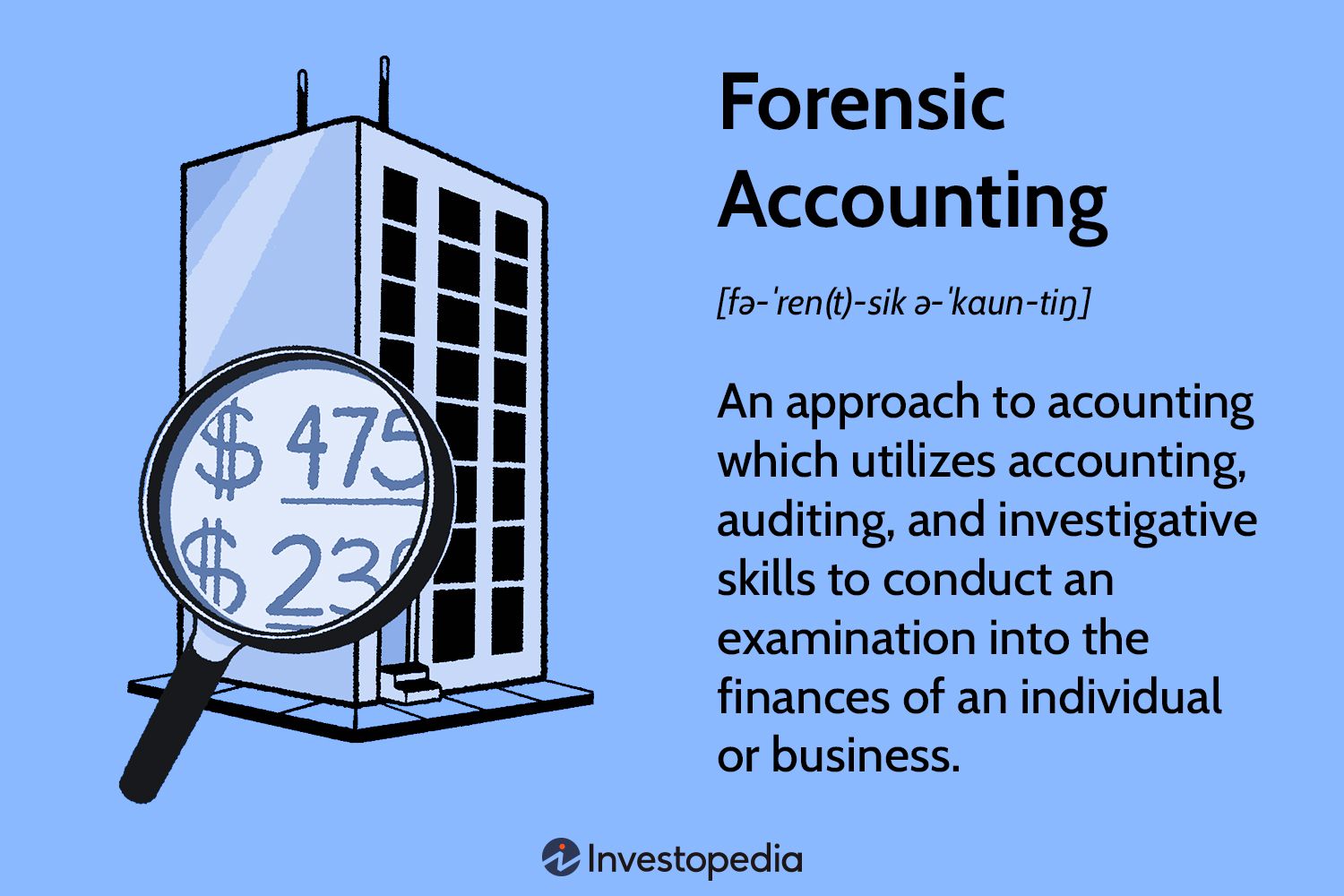
CUSIP forensic accounting has become an increasingly important area of focus in modern securitization research, especially for professionals investigating mortgage-backed securities, loan transfers, trust compliance, and chain-of-title issues. In complex financial cases, surface-level document review is rarely enough to reveal the full story behind a loan’s movement through the securitization pipeline. This is where CUSIP forensic accounting plays a critical role. It helps researchers, analysts, attorneys, and forensic auditors trace financial instruments with greater precision, identify potential inconsistencies, and better understand how a mortgage loan may have been packaged, assigned, transferred, or referenced in larger securities transactions.
In securitization research, every detail matters. A missed date, an unverified assignment, a broken chain of ownership, or a mismatch between trust records and loan-level data can change the direction of an entire investigation. CUSIP forensic accounting provides a structured way to examine those details by using CUSIP-based identifiers as part of a deeper forensic review. Rather than relying only on borrower-facing documents, this method helps connect the loan to broader financial records, securitization pathways, and transaction histories that may not be obvious at first glance. For researchers working through highly layered securitized loan files, this can open the door to findings that would otherwise remain hidden.
The importance of CUSIP forensic accounting also lies in its ability to bridge two worlds that are often reviewed separately: borrower loan documentation and capital markets activity. Many securitization cases involve records generated by servicers, trustees, document custodians, and financial entities operating at different stages of the loan’s lifecycle. Without a disciplined approach, these records can seem fragmented and difficult to reconcile. CUSIP forensic accounting brings a more analytical framework to the process by helping investigators align securities-related references with the underlying timeline of transfers, assignments, endorsements, and trust-related events. This can be especially valuable when the goal is to detect irregularities, test the consistency of reported transactions, or support deeper legal and financial review.
Another reason CUSIP forensic accounting matters so much is that securitization research is no longer limited to simply asking whether a loan was sold. Today, the more important questions often involve how it was sold, when it was transferred, whether the transfer complied with governing documents, and whether the available records support the representations made by institutions involved. In this environment, a forensic accounting approach built around CUSIP-linked investigation can help uncover patterns, reveal documentary gaps, and support a more evidence-based understanding of securitized assets. It can strengthen research by transforming a file review into a more advanced financial inquiry grounded in traceable data points.
For attorneys, paralegals, forensic analysts, and mortgage investigators, CUSIP forensic accounting is important because it adds depth, context, and strategic value to securitization research. It supports efforts to move beyond assumptions and into documented financial analysis. In many cases, the true significance of a loan transaction is not visible from a single document but from how multiple records interact across time, entities, and reporting structures. That is why this process has become so relevant in high-level mortgage investigations and trust analysis.
As securitization disputes and forensic reviews continue to grow more sophisticated, the need for reliable, detail-driven research methods becomes even more urgent. CUSIP forensic accounting stands out because it helps transform scattered information into a more coherent investigative picture. In the world of securitization research, where complexity often hides the most meaningful facts, that kind of clarity is not just useful—it is essential.
How CUSIP Data Adds Precision to Securitization Analysis
One of the strongest reasons cusip forensic accounting matters in securitization research is the precision it brings to the investigative process. Securitized loan files are often complicated by multiple transfers, servicing changes, trustee relationships, and document trails that span years. When researchers rely only on visible mortgage paperwork, they may see only a partial version of the transaction history. A more complete review often requires identifying the security, tracing its related structure, and examining whether the underlying records align with the claimed chain of ownership. This is where cusip forensic accounting becomes highly valuable.
A CUSIP identifier can serve as a useful reference point when researchers are attempting to connect a mortgage loan to a broader securitization framework. In many complex reviews, the issue is not simply whether a loan entered a trust, but whether the available records support the timing, sequence, and legal mechanics of that transfer. Cusip forensic accounting helps analysts study these questions with more discipline. It encourages a record-based approach that goes beyond assumptions and focuses on reconciling loan data, trust data, and financial transaction references.
Why Securitization Research Requires More Than Basic Document Review
Traditional document review has limits, especially in cases involving securitized mortgage loans. A note, mortgage, assignment, or servicing record may appear complete on its own, yet still leave major questions unanswered. Researchers often need to understand whether the documents were executed in a sequence consistent with trust closing dates, pooling and servicing agreements, and securitization timelines. Without deeper analysis, contradictions can remain buried beneath a large volume of paperwork.
This is why cusip forensic accounting is so important in modern securitization research. It allows professionals to approach a file with a broader investigative lens. Instead of reading documents in isolation, they can assess whether the documentary trail fits within the larger financial structure associated with the loan. In many situations, this process reveals important gaps, unexplained delays, inconsistent assignments, or transaction patterns that warrant closer attention. By giving structure to the research process, cusip forensic accounting supports more credible and defensible findings.
The Role of Timeline Reconstruction in Forensic Findings
Timing is one of the most critical factors in securitization analysis. A transfer that appears valid on paper may raise concerns when compared against trust deadlines, endorsement dates, assignment execution dates, or securitization closing periods. Researchers cannot fully evaluate these issues without building a reliable timeline. That timeline must be based on more than borrower-facing records. It often requires the review of trust documents, securities references, transfer patterns, and financial metadata tied to the securitization structure.
This is another area where cusip forensic accounting proves its importance. It helps analysts reconstruct events in a more methodical way. Rather than focusing on isolated documents, they can evaluate how one record relates to another over time. A missing link in the chronology may not be obvious during a general review, but it becomes more visible when the researcher compares loan documentation against the securitization pathway. The ability of cusip forensic accounting to support timeline-based analysis makes it a powerful method for identifying possible discrepancies and strengthening case strategy.
How CUSIP Forensic Accounting Supports Chain-of-Title Research
Chain-of-title issues are at the center of many mortgage and securitization disputes. Researchers are often asked to determine whether a loan’s transfer history is complete, properly documented, and consistent with the entities claiming an interest in the loan. This is rarely a simple task. Over time, loans may move through originators, sponsors, depositors, trustees, servicers, and subsequent parties, creating a layered paper trail that is difficult to verify without a forensic method.
Cusip forensic accounting helps bring clarity to this process by adding a securities-based dimension to chain-of-title review. It can help researchers compare the loan’s documentary path with the securitization structure in which it may have been placed. That comparison is often crucial. When loan-level records and securitization-level data do not align, the inconsistency may become a key point in the research. By supporting a more detailed examination of ownership pathways, cusip forensic accounting strengthens the quality of chain-of-title analysis and reduces the risk of overlooking meaningful red flags.
The Value of CUSIP Forensic Accounting for Legal and Strategic Review
In legal and forensic settings, strong research must do more than identify possible irregularities. It must also organize findings in a way that is clear, traceable, and useful for decision-making. Attorneys, litigation support teams, and forensic consultants often need research that connects documentary facts with financial context. A scattered set of suspicious records is not enough. The findings must show why a discrepancy matters and how it fits within the larger securitization framework.
This is one of the reasons cusip forensic accounting carries so much strategic importance. It helps transform a document-heavy review into a more coherent financial investigation. When findings are tied to transaction structure, trust timelines, and securities references, they often become more persuasive and more actionable. Cusip forensic accounting can therefore support not only research accuracy but also litigation preparation, case development, and deeper due diligence. Its value lies in the way it connects technical data to practical case objectives.
Why This Research Method Continues to Grow in Importance
The securitization field has become more sophisticated, and so have the questions being asked by researchers and legal professionals. It is no longer enough to confirm that a loan changed hands. Investigators now need to examine whether the transfer process was properly documented, whether trust requirements were followed, and whether the records support the narrative presented by the institutions involved. As these investigations become more demanding, the need for disciplined forensic methods continues to rise.
That is why cusip forensic accounting remains so important in securitization research today. It offers a way to move beyond surface review and into deeper financial analysis. It helps researchers organize complex information, detect inconsistencies, and build a more complete picture of how a loan may have moved through a securitized structure. In a field where hidden details often shape the most important conclusions, cusip forensic accounting provides the clarity, structure, and analytical depth needed for meaningful results.
Conclusion
In conclusion, cusip forensic accounting plays a vital role in strengthening securitization research by bringing structure, accuracy, and deeper financial insight to complex loan investigations. In cases where mortgage documents alone fail to tell the full story, cusip forensic accounting helps researchers connect loan-level records with broader securitization activity, trust structures, and transfer timelines. This added layer of analysis is essential for identifying inconsistencies, evaluating chain-of-title issues, and examining whether documented transactions align with the larger financial framework.
The value of cusip forensic accounting lies in its ability to turn fragmented records into a clearer investigative narrative. It supports a more disciplined review of assignments, endorsements, trust compliance, and transaction history, allowing legal and forensic professionals to work from evidence rather than assumptions. As securitization cases continue to demand higher levels of precision, cusip forensic accounting becomes even more important for uncovering details that may otherwise remain hidden.
For attorneys, auditors, and researchers handling complex mortgage files, cusip forensic accounting is more than a technical process. It is a practical and strategic tool for building stronger findings, improving research quality, and gaining a more complete understanding of securitized loan activity in today’s increasingly complex financial landscape.
Elevate Every Case With Trusted Forensic Insight
Unlock clarity. Strengthen your case. Transform your client outcomes with the power of proven securitization research and forensic audit support. At Mortgage Audits Online, we have been helping our associates build stronger, more strategic cases for over 4 years through detailed securitization analysis and professional forensic audits. As an exclusively business-to-business provider, we are committed to delivering the high-level research, precision, and reliability professionals need when complex loan files demand deeper investigation.
When your clients depend on accuracy, documented insight, and a more complete understanding of mortgage securitization issues, the right forensic partner can make all the difference. Our work is designed to help support case development, uncover critical details, and provide the analytical foundation your business needs to move forward with confidence.
Partner with a team that understands the importance of precision, timeliness, and professional support in every file reviewed.
Mortgage Audits Online
100 Rialto Place, Suite 700
Melbourne, FL 32901
Phone: 877-399-2995
Fax: 877-398-5288
Visit : https://cusipdata.com/
“Disclaimer Note: This article is for educational & entertainment purposes”