
In today’s complex financial world, transparency and traceability of financial instruments have become more important than ever. Investors, attorneys, auditors, and financial investigators often need reliable documentation to track securities, identify ownership, and uncover irregularities in financial transactions. This is where cusip securities reports play a critical role. These reports are widely used in financial forensic auditing, securitization analysis, and litigation support to trace financial instruments and understand how loans and securities are packaged, sold, and transferred in the secondary market. Understanding how these reports work can provide valuable insights into financial transactions and help uncover discrepancies that may otherwise go unnoticed.
Cusip securities reports are based on the CUSIP number, which stands for Committee on Uniform Securities Identification Procedures. This unique nine-character alphanumeric code is assigned to financial instruments such as stocks, bonds, mutual funds, and asset-backed securities. The CUSIP number acts like a fingerprint for a security, allowing it to be tracked throughout its lifecycle, including issuance, trading, and ownership transfers. By using this identification system, financial professionals can locate detailed information about a specific security and trace its movement through financial markets.
One of the most important uses of cusip securities reports is in mortgage securitization and loan auditing. When loans are bundled into mortgage-backed securities and sold to investors, each security is assigned a CUSIP number. Financial forensic auditors use these reports to determine whether a loan was securitized, when it was transferred, and which trust or entity may own the loan. This information can be particularly important in legal and financial investigations, as it helps establish the chain of ownership and identify any gaps or irregularities in the transfer process.
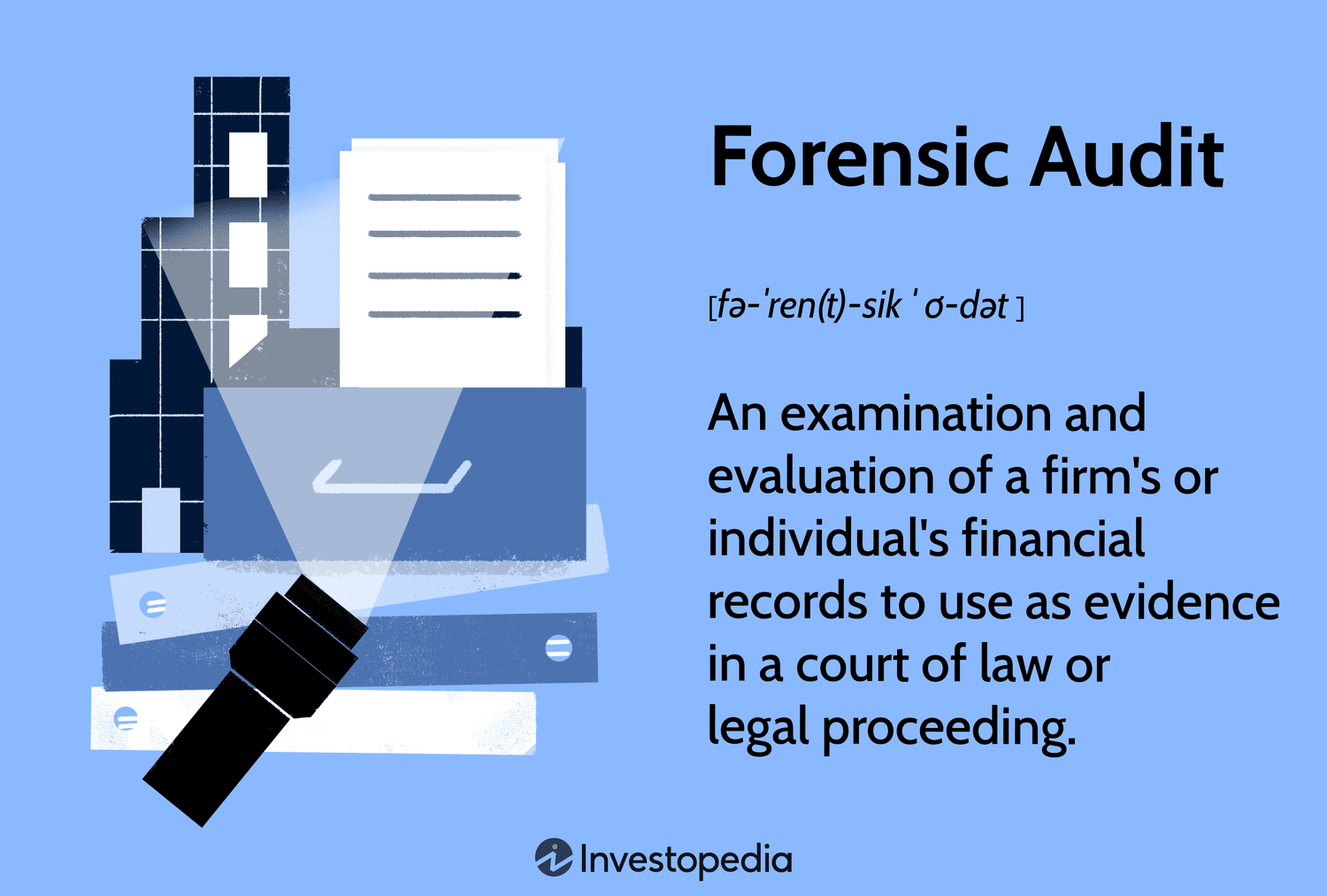
Financial forensic auditing involves examining financial records, transactions, and securities to identify errors, inconsistencies, or potential fraud. Cusip securities reports are often used as supporting documentation in forensic audits because they provide verifiable data about securities and their history. Auditors analyze these reports alongside loan documents, assignment records, and securitization filings to build a comprehensive financial picture. This process can reveal issues such as improper transfers, missing assignments, or inconsistencies between recorded ownership and securitization records.
Another important aspect of cusip securities reports is their role in litigation and dispute resolution. Attorneys and legal professionals often rely on these reports when handling cases involving mortgage securitization, investment disputes, or financial fraud investigations. The reports can provide evidence of whether a financial instrument was sold, transferred, or included in a securitized trust. This information can be crucial in legal cases where ownership, transfer history, or securitization status is being questioned.
In addition to legal and forensic uses, cusip securities reports are also valuable for investors and financial analysts. Investors can use these reports to research securities, verify investment details, and track asset-backed securities. Financial analysts use the information to study market activity, evaluate securities performance, and understand how financial instruments are structured and traded. Because each CUSIP number is unique, it allows for precise tracking and accurate identification of securities across financial markets.
Overall, cusip securities reports are an essential tool in financial forensic auditing, securitization research, and financial investigations. They provide detailed information about securities, help trace financial instruments through the market, and support legal and financial analysis. As financial markets continue to evolve and securitization becomes more complex, the importance of these reports continues to grow. Professionals in finance, law, and auditing rely on these reports to ensure transparency, verify ownership, and uncover critical financial information that may impact financial decisions and legal outcomes.
The Role of CUSIP Numbers in Modern Financial Tracking
After understanding the introduction to cusip securities reports, it is important to explore how CUSIP numbers function within the modern financial system. A CUSIP number is a unique identifier assigned to financial instruments such as stocks, bonds, mutual funds, and mortgage-backed securities. These identifiers allow financial institutions, investors, and auditors to track securities accurately across complex financial markets. Without such identification systems, tracking ownership and transfers of securities would be extremely difficult and prone to errors.
Cusip securities reports rely heavily on these identification numbers to provide detailed information about securities, including issuance details, issuer information, and transaction history. Financial institutions use these reports to maintain accurate records, while auditors and investigators use them to trace securities through multiple transactions and ownership transfers. This tracking system plays a major role in ensuring transparency and accountability in financial markets.
In the world of securitization, where loans are bundled together and sold as securities, tracking becomes even more important. A single mortgage loan may be transferred multiple times between lenders, servicers, and trusts. Cusip securities reports help identify whether a loan is part of a mortgage-backed security and provide insight into the securitization chain. This information is particularly useful for financial forensic auditors and legal professionals who need to trace the history of financial instruments.
Understanding Financial Forensic Auditing and Its Connection to Securities Reports
Financial forensic auditing is a specialized field that combines accounting, auditing, and investigative techniques to examine financial records and identify discrepancies, fraud, or irregularities. When auditors conduct forensic investigations involving securities and securitized loans, cusip securities reports often become a key source of information. These reports provide data that helps auditors verify whether financial instruments were properly transferred, recorded, and reported.
Forensic auditors typically examine multiple documents during an investigation, including loan files, assignment records, pooling and servicing agreements, and securitization filings. By comparing these documents with cusip securities reports, auditors can identify inconsistencies in ownership records, transfer dates, or securitization status. These inconsistencies may indicate documentation errors, compliance issues, or potential financial misrepresentation.
Another important aspect of financial forensic auditing is identifying gaps in the chain of title. When loans or securities are transferred between multiple entities, proper documentation must be maintained at each step. If documentation is missing or inconsistent, it may create legal and financial complications. Cusip securities reports help auditors verify whether transfers align with securitization records and financial filings, making them an important tool in forensic investigations.
How CUSIP Securities Reports Help in Mortgage Securitization Analysis
Mortgage securitization is the process of pooling mortgage loans together and converting them into mortgage-backed securities that are sold to investors. This process involves multiple parties, including lenders, investment banks, trusts, and investors. Because so many entities are involved, tracking ownership and transfers becomes complex. This is where cusip securities reports become extremely valuable.
When a mortgage loan is securitized, it is typically placed into a trust and assigned a CUSIP number as part of a mortgage-backed security. By searching the CUSIP database and generating cusip securities reports, analysts can determine whether a loan is associated with a specific mortgage-backed security. This information helps identify the trust that may own the loan and the timeline of securitization.
These reports may also provide information about issuance dates, security descriptions, and issuer details. Financial analysts and forensic auditors use this data to understand how loans were packaged and sold to investors. In some cases, the information found in cusip securities reports may reveal that a loan was transferred multiple times or included in different financial structures, which can be important in financial investigations and legal cases.
Mortgage securitization analysis often involves reviewing securitization documents such as prospectuses and pooling and servicing agreements. By combining these documents with cusip securities reports, analysts can build a clearer picture of how a mortgage loan moved through the financial system and who may have ownership rights.
Legal and Compliance Importance of CUSIP Securities Reports
In legal and compliance investigations, documentation and evidence are extremely important. Attorneys and compliance professionals often use cusip securities reports as part of financial investigations, particularly in cases involving securitized loans, investment disputes, or financial fraud investigations. These reports can help establish whether a financial instrument was securitized, transferred, or included in a trust.
Compliance professionals also use cusip securities reports to ensure that financial institutions are properly reporting securities transactions and maintaining accurate records. Regulatory compliance requires accurate reporting of securities transactions, and CUSIP numbers help ensure that securities are properly identified and tracked.
In legal cases involving financial instruments, one of the most important issues is establishing ownership and transfer history. Cusip securities reports can provide supporting documentation that helps attorneys and investigators determine whether ownership transfers were properly recorded and whether securities were transferred according to securitization agreements. This information can play a significant role in financial litigation and dispute resolution.
The Growing Importance of Financial Transparency and Documentation
As financial markets continue to grow and become more complex, the need for transparency and accurate documentation is increasing. Financial transactions now involve multiple institutions, electronic transfers, securitization structures, and global investors. In such a complex system, tracking financial instruments accurately is essential. Cusip securities reports contribute to financial transparency by providing detailed information about securities and their history.
Financial transparency is important not only for investors but also for regulators, auditors, and legal professionals. Accurate records help prevent fraud, ensure compliance with financial regulations, and maintain confidence in financial markets. By using cusip securities reports, financial professionals can verify securities information, track ownership history, and ensure that financial transactions are properly documented.
The demand for financial forensic auditing is also increasing as financial transactions become more complex. Forensic auditors rely on documentation and data analysis to investigate financial discrepancies and irregularities. Cusip securities reports provide valuable data that helps auditors trace securities and verify financial records.
Why CUSIP Securities Reports Are Important for Financial Professionals
Financial professionals, including auditors, analysts, attorneys, and investigators, rely on accurate data to perform their work effectively. Cusip securities reports provide detailed information that helps professionals track securities, verify financial transactions, and conduct financial investigations. These reports are particularly useful in securitization analysis, forensic auditing, and financial litigation support.
For investors, these reports can also provide valuable information about securities and investment instruments. Investors can use cusip securities reports to research securities, verify issuer information, and track investment instruments. This helps investors make informed financial decisions and better understand the securities they are investing in.
For forensic auditors and investigators, these reports provide a way to trace financial instruments across multiple transactions and entities. This tracing process is essential in financial investigations where auditors need to reconstruct financial transactions and identify discrepancies.
The Future of Financial Forensic Auditing and Securities Tracking
Looking ahead, financial forensic auditing and securities tracking are expected to become even more important as financial markets continue to evolve. New financial instruments, digital transactions, and complex securitization structures are making financial tracking more challenging. As a result, tools like cusip securities reports will continue to play an important role in financial investigations and securities tracking.
Technology is also improving the way financial data is tracked and analyzed. Digital databases, financial analytics tools, and forensic accounting software are making it easier to analyze securities data and identify irregularities. Cusip securities reports will likely continue to be integrated into financial analysis and forensic auditing tools, making securities tracking more efficient and accurate.
Financial transparency, regulatory compliance, and forensic auditing will continue to be important areas in the financial industry. Professionals in these fields will continue to rely on cusip securities reports to track securities, verify financial records, and support financial investigations. As financial systems become more complex, the importance of accurate securities tracking and forensic auditing will only continue to grow.
Conclusion
In conclusion, cusip securities reports play a significant role in the modern financial and forensic auditing landscape by providing detailed information about securities identification, ownership tracking, and securitization history. These reports are widely used by financial professionals, forensic auditors, legal experts, and investigators to trace financial instruments and verify whether securities or loans were transferred, securitized, or included in investment trusts. As financial markets become more complex and transactions involve multiple institutions and transfers, the importance of accurate tracking and documentation continues to grow.
One of the major advantages of cusip securities reports is that they help establish transparency in financial transactions and provide a clear trail of securities movement across the financial system. This is particularly important in financial forensic auditing, where professionals must analyze financial records, identify discrepancies, and verify ownership history. By using cusip securities reports, auditors and investigators can build stronger financial analysis, support legal cases, and ensure that financial documentation aligns with securitization records.
Overall, cusip securities reports have become an essential tool for financial tracking, forensic auditing, and securities research. As financial systems continue to evolve, these reports will remain an important resource for ensuring financial transparency, accountability, and accurate securities tracking across the global financial industry.
Build Stronger Cases with Expert Securitization and Forensic Audit Support
Top of Form
When your case depends on accurate financial documentation, securitization analysis, and detailed forensic research, having the right professional support can make all the difference. For over four years, we have been helping our associates build strong, well-documented cases through our specialized securitization and forensic audit services. Our experience, research methods, and detailed reporting help professionals strengthen their case strategies with reliable financial data and analysis.
We are proud to operate exclusively as a business-to-business provider, supporting attorneys, auditors, investigators, and financial professionals who require accurate securitization reports, CUSIP research, and forensic audit documentation. Our goal is to provide clear, organized, and professional reports that can support litigation, investigation, and financial analysis.
If you are looking for reliable securitization and forensic audit support, our team is ready to assist you with comprehensive research and detailed reporting tailored to your business needs. We are committed to helping our associates build stronger cases through accurate information, thorough analysis, and professional support.
📍 Mortgage Audits Online
100 Rialto Place, Suite 700
Melbourne, FL 32901
📱 Phone: 877-399-2995
📠 Fax: 877-398-5288
🌐 Visit: https://cusipdata.com/
“Disclaimer Note: This article is for educational & entertainment purposes”