
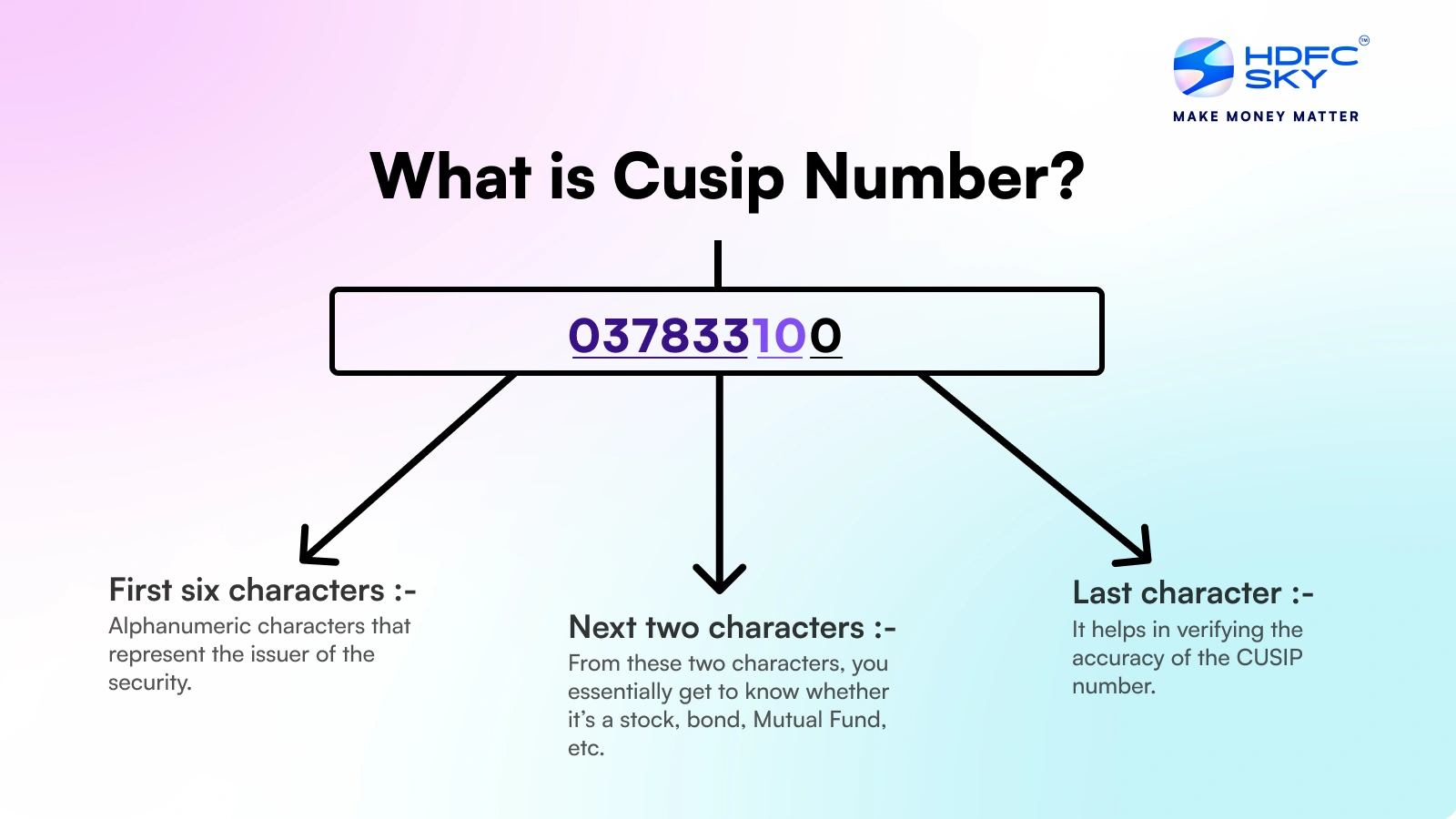
In the complex world of financial reporting, compliance, and investment tracking, CUSIP securities report accounting plays a critical role in ensuring accuracy, transparency, and traceability of securities transactions. Financial institutions, including banks, investment firms, mortgage lenders, and accounting firms, rely heavily on CUSIP-based reporting systems to identify, track, and report securities in an organized and standardized manner. Without proper identification systems like CUSIP, managing large portfolios of securities would be extremely difficult, leading to reporting errors, compliance risks, and financial discrepancies.
CUSIP securities report accounting refers to the process of tracking, recording, and reporting securities using CUSIP numbers, which are unique identification codes assigned to financial instruments such as stocks, bonds, mortgage-backed securities, and municipal securities. These identifiers help institutions maintain precise accounting records, reconcile securities transactions, and ensure that financial statements reflect accurate holdings and valuations. Because each CUSIP number is unique to a specific security, it eliminates confusion between similar securities and allows for efficient recordkeeping across multiple systems and departments.
Financial institutions use CUSIP securities report accounting not only for internal accounting purposes but also for regulatory reporting, auditing, and portfolio management. Regulatory bodies often require detailed reports of securities holdings, transactions, and valuations, and CUSIP identifiers help ensure that these reports are accurate and compliant with financial regulations. Proper accounting based on CUSIP numbers also helps auditors verify the existence and ownership of securities, making the auditing process smoother and more reliable.
Another important aspect of CUSIP securities report accounting is its role in securitization and structured finance. Mortgage-backed securities, asset-backed securities, and other structured financial products are typically assigned multiple CUSIP numbers representing different tranches or classes of securities. Accounting teams must track each tranche separately using its CUSIP to properly record interest income, principal payments, amortization, and fair value adjustments. Without CUSIP-based accounting, tracking these complex financial instruments would be extremely challenging.
In addition, CUSIP securities report accounting helps financial institutions improve operational efficiency and reduce errors in reconciliation processes. When securities transactions are recorded using CUSIP identifiers, accounting systems can automatically match trades, settlements, and holdings with custodial records and broker statements. This automation reduces manual work, minimizes reconciliation differences, and improves overall financial reporting accuracy.
Risk management is another area where CUSIP securities report accounting becomes essential. Financial institutions must monitor their exposure to specific securities, issuers, and asset classes. By tracking securities using CUSIP numbers, institutions can generate detailed reports showing exposure by issuer, maturity date, security type, or credit rating. These reports help management make informed investment decisions and maintain proper risk controls.
Furthermore, CUSIP securities report accounting supports transparency and traceability in financial transactions. Every security transaction linked to a CUSIP number can be traced back to its origin, issuer, and transaction history. This traceability is especially important in forensic accounting, securitization audits, and financial investigations, where analysts need to track the movement and ownership of securities over time.
As financial markets continue to grow in complexity, the importance of CUSIP securities report accounting will continue to increase. Financial institutions must maintain accurate records, comply with regulations, manage risk, and produce reliable financial reports. CUSIP-based accounting systems provide the structure and standardization needed to manage large volumes of securities efficiently and accurately.
In summary, CUSIP securities report accounting is a fundamental component of modern financial reporting and securities management. It ensures accurate tracking of securities, supports regulatory compliance, improves reconciliation processes, enhances risk management, and provides transparency in financial transactions. For financial institutions dealing with large volumes of securities and structured financial products, implementing strong CUSIP-based accounting and reporting practices is not just beneficial—it is essential for operational efficiency, compliance, and financial accuracy.
Understanding the Role of CUSIP in Securities Identification and Reporting
After understanding the importance of CUSIP securities report accounting in financial reporting and compliance, it is essential to explore how CUSIP numbers function within the broader securities identification and reporting framework. CUSIP, which stands for Committee on Uniform Securities Identification Procedures, provides a unique nine-character alphanumeric identifier assigned to financial instruments such as stocks, corporate bonds, municipal bonds, government securities, and mortgage-backed securities. These identifiers serve as the backbone of securities tracking and reporting systems across financial institutions.
In CUSIP securities report accounting, each security is tracked and recorded using its unique CUSIP number, which eliminates confusion between securities with similar names, issuers, or maturity dates. Financial institutions often manage thousands or even millions of securities transactions, and without a standardized identification system like CUSIP, accounting and reporting would become extremely complex and error-prone. By using CUSIP identifiers, institutions can ensure that each transaction is accurately recorded and linked to the correct financial instrument.
Another important function of CUSIP numbers in CUSIP securities report accounting is transaction tracking. Every purchase, sale, transfer, or settlement of a security is recorded using the CUSIP number, allowing accounting teams to track the full lifecycle of a security from acquisition to maturity or sale. This level of tracking is essential for accurate financial reporting, tax reporting, and regulatory compliance.
CUSIP numbers also play a major role in portfolio reporting. Investment managers and financial institutions generate portfolio reports that list all securities held by the institution, and these reports are typically organized by CUSIP number. This allows accountants, auditors, and regulators to quickly verify securities holdings and valuations. Without CUSIP-based reporting, portfolio reconciliation would be significantly more difficult and time-consuming.
In addition, CUSIP securities report accounting supports automation in financial systems. Modern accounting and portfolio management systems use CUSIP numbers to automatically import security details such as issuer name, interest rate, maturity date, and security type. This automation reduces manual data entry errors and improves the efficiency of accounting operations.
How Financial Institutions Use CUSIP Securities Report Accounting for Compliance
Compliance and regulatory reporting are among the most important reasons financial institutions rely on CUSIP securities report accounting. Regulatory agencies require financial institutions to maintain detailed records of securities holdings, transactions, and valuations. These reports must be accurate, consistent, and traceable, which is why CUSIP-based reporting systems are widely used across the financial industry.
For example, banks and investment firms must file periodic reports that list all securities they hold, including government securities, corporate bonds, and asset-backed securities. These reports often require CUSIP numbers to identify each security. By using CUSIP securities report accounting, institutions can generate these reports directly from their accounting systems, ensuring accuracy and compliance with regulatory requirements.
Auditors also rely heavily on CUSIP numbers when reviewing financial statements and securities holdings. During an audit, auditors may request a securities report listing all holdings by CUSIP number, along with purchase dates, cost basis, market value, and interest income. This report allows auditors to verify that the securities recorded in the accounting system actually exist and are properly valued.
Another compliance-related use of CUSIP securities report accounting is in anti-money laundering (AML) and financial transparency regulations. Regulators may track certain securities transactions using CUSIP identifiers to ensure that financial institutions are not involved in suspicious or unauthorized transactions. Proper CUSIP-based reporting helps institutions demonstrate transparency and compliance with financial regulations.
Furthermore, financial institutions involved in securitization transactions must maintain detailed records of mortgage-backed securities and asset-backed securities using CUSIP numbers. These securities often have multiple tranches, each with its own CUSIP number, and accounting teams must track each tranche separately for interest income, principal payments, and valuation adjustments.
Benefits of Accurate CUSIP Securities Report Accounting for Financial Reporting
Accurate CUSIP securities report accounting provides several important benefits for financial institutions, accounting firms, and investment managers. One of the most significant benefits is improved accuracy in financial reporting. Because each security is tracked using a unique identifier, there is less risk of recording transactions under the wrong security or misreporting securities holdings.
Another major benefit of CUSIP securities report accounting is improved reconciliation processes. Financial institutions must regularly reconcile their internal accounting records with custodian statements, broker statements, and clearinghouse records. Since all these records typically use CUSIP numbers to identify securities, reconciliation becomes faster and more accurate when CUSIP-based accounting is used.
CUSIP-based accounting also improves transparency in financial reporting. When securities are listed by CUSIP number in financial reports, auditors and regulators can easily verify the securities and review their transaction history. This level of transparency is especially important for publicly traded companies, banks, and financial institutions that must comply with strict reporting standards.
Risk management is another important benefit of CUSIP securities report accounting. Financial institutions need to monitor their exposure to certain issuers, industries, or types of securities. By tracking securities using CUSIP numbers, institutions can generate exposure reports that show how much they have invested in a particular issuer or security type. These reports help management make informed investment decisions and manage financial risk more effectively.
Operational efficiency also improves when institutions implement strong CUSIP securities report accounting practices. Automated systems can use CUSIP numbers to import security data, update market prices, calculate interest income, and generate financial reports. This reduces manual work, minimizes errors, and allows accounting teams to focus on analysis rather than data entry.
Another important benefit is audit support. During financial audits, auditors often request detailed securities reports organized by CUSIP number. If an institution maintains accurate CUSIP securities report accounting, these reports can be generated quickly, making the audit process smoother and reducing the risk of audit findings or discrepancies.
Finally, CUSIP securities report accounting supports forensic accounting and securities investigations. In cases involving securitization audits, mortgage-backed securities investigations, or financial disputes, analysts often track securities using CUSIP numbers to trace ownership, transfers, and payment history. Accurate CUSIP-based accounting records make it possible to reconstruct transaction histories and analyze securities activity over time.
Overall, CUSIP securities report accounting is not just an accounting method but a critical system for securities tracking, reporting, compliance, auditing, and risk management. Financial institutions that implement strong CUSIP-based accounting systems benefit from improved accuracy, better compliance, enhanced transparency, and more efficient financial reporting processes. As financial markets continue to grow and securities transactions become more complex, the importance of accurate and detailed CUSIP securities reporting and accounting will continue to increase across the financial industry.
Conclusion
In today’s complex financial environment, CUSIP securities report accounting has become an essential component of accurate securities tracking, reporting, and compliance management for financial institutions. By using unique CUSIP identifiers, institutions can efficiently record, track, reconcile, and report securities transactions with a high level of accuracy and transparency. This structured approach reduces reporting errors, improves reconciliation processes, and ensures that financial statements properly reflect securities holdings and valuations.
Another major advantage of CUSIP securities report accounting is its role in regulatory compliance and auditing. Financial institutions must maintain detailed and traceable records of securities transactions, and CUSIP-based reporting helps meet these regulatory requirements. Auditors, regulators, and financial analysts rely on CUSIP numbers to verify securities ownership, transaction history, and portfolio valuations, making accurate CUSIP reporting extremely important.
Furthermore, CUSIP securities report accounting supports risk management, portfolio analysis, and operational efficiency by allowing institutions to monitor securities exposure and automate reporting systems. As securities markets continue to grow and financial instruments become more complex, the importance of CUSIP securities report accounting will continue to increase. Institutions that maintain accurate CUSIP-based accounting systems will benefit from better financial reporting, improved compliance, and stronger overall financial management.
Strengthen Your Cases with Trusted Securitization & Forensic Audit Experts
For over four years, we have been dedicated to helping our associates build stronger, more accurate, and well-documented cases through our professional securitization and forensic audit services. Our experience, attention to detail, and commitment to accuracy allow our partners to confidently move forward with reliable financial documentation and audit findings that support their case strategies.
As a business-to-business provider, we work exclusively with professionals and organizations that require detailed securitization analysis, CUSIP research, loan-level reviews, and forensic audit reporting. Our goal is to provide clear, organized, and defensible reports that help our associates uncover critical financial data, identify discrepancies, and strengthen their case documentation.
We understand that every case requires precision, reliable data, and professional reporting. That is why our team focuses on delivering thorough research, accurate findings, and professional support to help you build stronger, more effective cases for your clients.
If you are looking for a reliable partner for securitization audits, forensic loan audits, and CUSIP research, we are here to support your business with professional, confidential, and accurate services.
Contact us today to learn how we can support your next case.
📍 Mortgage Audits Online
100 Rialto Place, Suite 700
Melbourne, FL 32901
📱 Phone: 877-399-2995
📠 Fax: 877-398-5288
🌐 Visit: https://cusipdata.com/
“Disclaimer Note: This article is for educational & entertainment purposes”